Imagine transforming your living room into a personal fitness studio, where you can burn calories, build strength, and boost your mood—all in just 30 minutes. If you’re tired of long gym commutes, crowded spaces, or simply looking for an efficient way to stay fit, you’re in the right place.
With our 30-minute workouts at home, you can achieve your fitness goals without sacrificing your busy schedule. Whether you’re a beginner or a seasoned athlete, these exercises are designed to be flexible and effective, fitting seamlessly into your day. Dive in and discover how you can make every minute count towards a healthier, happier you.
Benefits Of Short Workouts
A quick 30-minute workout at home boosts fitness without taking much time. Perfect for busy schedules, these sessions improve strength, flexibility, and energy levels. Consistency leads to significant health benefits, making short workouts effective and convenient.
Embracing short workouts can be a game-changer for your fitness journey. These quick, 30-minute sessions are not just about saving time; they’re packed with benefits that can transform how you approach exercise. Whether you’re juggling a busy schedule or seeking to boost your energy, short workouts offer a practical and effective solution.Improved Time Management
Finding time for exercise can be challenging in our hectic lives. Short workouts allow you to fit in fitness without sacrificing other important tasks. Imagine completing a full workout in the time it takes to watch an episode of your favorite show. You can easily integrate these sessions into your day, making it easier to maintain a balanced lifestyle.Enhanced Energy Levels
Have you ever felt sluggish after a long day? Short workouts can be your secret weapon to counteract that. A quick 30-minute exercise session can boost your energy, leaving you feeling more alert and refreshed. You might find yourself more productive and focused, ready to tackle whatever comes next.Increased Consistency
Consistency is key in any fitness routine. Short workouts make it easier to stick to a schedule because they require less time commitment. By making exercise a regular part of your day, you create a habit that becomes second nature. This consistency can lead to better results over time, as you consistently work towards your fitness goals. Incorporating these short workouts into your routine doesn’t require drastic lifestyle changes. It’s about making small adjustments that lead to significant benefits. Have you tried short workouts before? What changes did you notice in your life?
Credit: www.pinterest.com
Equipment-free Exercises
Working out at home is convenient and effective. You don’t need fancy equipment to stay fit. Equipment-free exercises can help you maintain your health and boost your energy. These exercises are perfect for tight schedules and small spaces. They’re ideal for beginners and seasoned athletes alike.
Bodyweight Training
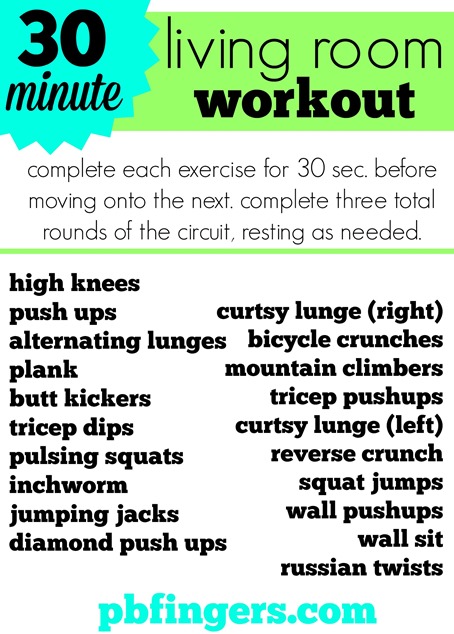
Bodyweight training uses your weight to build strength. Push-ups target your chest, shoulders, and triceps. Squats enhance your leg muscles and improve balance. Planks strengthen your core and back. Try lunges to work your thighs and glutes. These exercises need no equipment and can be done anywhere.
Cardio Routines
Cardio routines are great for heart health. Jumping jacks elevate your heart rate quickly. High knees boost your endurance and burn calories. Burpees combine strength and cardio for a full-body workout. Mountain climbers challenge your speed and agility. These routines can be adjusted to fit your energy level.
Flexibility And Stretching
Flexibility exercises enhance mobility and prevent injuries. Stretching improves muscle function and releases tension. Forward bends relax your back and hamstrings. Side stretches increase flexibility in your torso and hips. Yoga poses like the cat-cow stretch can improve your spine’s flexibility. Regular stretching can lead to better posture and less pain.
Utilizing Minimal Equipment
Staying fit doesn’t mean you need a gym membership or fancy gear. You can achieve great results with minimal equipment at home. The key is using versatile tools that fit into your routine. They save space and are easy to use. Let’s explore how to make the most of these items.
Dumbbell Workouts
Dumbbells are small yet effective. They allow you to target various muscle groups. From bicep curls to shoulder presses, they offer diverse exercises. Choose a weight that challenges you without causing strain. A pair of adjustable dumbbells is ideal. They adapt to different workout intensities.
Resistance Bands
Resistance bands are lightweight and portable. They offer a full-body workout without the bulk. Use them to enhance strength training exercises. Bands come in different resistance levels. Start with a lighter band and progress as you gain strength. They’re perfect for squats, lunges, and stretching routines.
Jump Rope Sessions
Jump ropes are excellent for cardio workouts. They improve coordination and endurance. A quick session boosts heart rate and burns calories. Find a rope that suits your height. Practice basic moves before trying advanced techniques. It’s an efficient way to break a sweat in just a few minutes.
Structuring A 30-minute Session
Create an effective 30-minute workout at home by dividing the session into three parts: warm-up, exercise, and cool-down. Start with a 5-minute warm-up to prepare your muscles. Follow with 20 minutes of focused exercises, balancing cardio and strength. Finish with a 5-minute cool-down to relax and stretch.
Structuring a 30-minute workout session at home can be highly effective. It allows you to maximize your time and achieve fitness goals. A well-structured session involves three key components: warm-up, main workout, and cool down. Each part plays a vital role in your fitness journey.Warm-up Techniques
Start with a gentle warm-up to prepare your body. It increases blood flow and loosens muscles. Consider dynamic stretches like arm circles or leg swings. Jumping jacks or light jogging in place are great options too. Spend about five minutes on warm-up exercises. This reduces the risk of injury and enhances performance.Main Workout Components
The main workout is where you focus on strength and cardio. Include exercises like squats, lunges, and push-ups. These target major muscle groups and improve endurance. Combine cardio elements like burpees or high knees for a balanced routine. Alternate between exercises to keep your heart rate up. Aim to spend 20 minutes on this section.Cool Down And Recovery
Conclude your session with a cool down to aid recovery. This helps your heart rate return to normal gradually. Use static stretches to improve flexibility. Focus on muscles worked during the main session. Spend the last five minutes in this calming phase. It promotes relaxation and reduces muscle soreness.Sample Workout Plans
Finding time to exercise can be tough. 30-minute workouts at home offer a great solution. They are efficient and fit well into a busy schedule. Below are sample workout plans for different fitness levels.
Beginner Routine
Start with a warm-up. March in place for two minutes. Follow with arm circles for one minute. Next, do 10 squats. Keep your back straight. After squats, perform 10 lunges. Alternate legs. End with 10 push-ups. Knees on the ground if needed. Cool down with gentle stretches.
Intermediate Challenge
Warm up with jumping jacks for three minutes. Follow with 15 squats. Keep your feet shoulder-width apart. Next, do 15 lunges per leg. Add 10 burpees for cardio. Finish with a plank. Hold for one minute. Remember to breathe deeply throughout. Stretch your muscles at the end.
Advanced Circuit
Begin with a fast-paced warm-up. Do high knees for two minutes. Move to 20 squats. Keep the pace quick. Add 15 lunges per leg. Transition to 15 burpees. Increase speed for a challenge. Follow with a two-minute plank. Cool down with dynamic stretches. Push your limits safely.
Overcoming Common Barriers
Finding time for exercise can be challenging, but 30-minute home workouts offer a practical solution. These routines help overcome barriers like busy schedules, allowing individuals to stay active without needing a gym. Simple exercises can boost fitness and well-being at home, making it easier to maintain a healthy lifestyle.
Overcoming Common Barriers Finding time and space to exercise at home can often feel like an uphill battle. Busy schedules, small apartments, and a lack of motivation are just a few of the barriers that stand in the way. But what if you could turn these obstacles into stepping stones for a healthier lifestyle?Space Limitations
Living in a small apartment or shared space can make working out at home seem impossible. But you don’t need a gym-sized area to get fit. Consider using multi-functional furniture like a chair for tricep dips or a wall for standing push-ups. I once lived in a studio apartment and used the narrow hallway for lunges. It wasn’t much, but it worked. Think creatively and use every inch of your space. Declutter your workout area before starting. This not only makes room but also sets a mental stage for exercise. Could rearranging a few items open up a whole new world of possibilities?Motivation Tips
Staying motivated at home can be a challenge without the energy of a gym environment. But setting clear, achievable goals can make all the difference. Write down what you want to accomplish in each session. Make it a ritual. Put on your favorite workout gear and blast your go-to playlist. I found that treating my workout time like an important appointment made it less negotiable. Find a workout buddy, even virtually. Sharing your goals with someone else can keep you accountable. How would you feel knowing someone is counting on you to show up?Time Constraints
Squeezing a workout into a busy day might seem daunting. Yet, 30 minutes is all you need to break a sweat and boost your mood. Schedule it like a meeting and commit to it. Combine workouts with everyday tasks. Squat while waiting for your coffee to brew or do calf raises during TV commercials. You’d be surprised how quickly small moments add up. Remember, consistency is key. You don’t need to exercise for hours to see results. Could you find just half an hour in your day to invest in your health?Tracking Progress
Achieving fitness goals is easier with 30-minute home workouts. Keep track of your progress to stay motivated. Consistent effort helps in maintaining discipline and seeing results.
Tracking your progress is a crucial part of any fitness journey, especially when you’re doing 30-minute workouts at home. Without a gym trainer or a workout buddy, it can be easy to lose track of how far you’ve come or how much you’ve improved. By diligently tracking your progress, you can ensure that your workouts remain effective and continue to challenge you, keeping you motivated and on the right path.Setting Realistic Goals
Setting goals is the first step in tracking your progress. They give you something tangible to work towards, making your workouts more meaningful. Start with simple, achievable goals, like completing a workout without taking breaks or mastering a specific exercise. Think about what you want to achieve in a month. Is it more strength, stamina, or weight loss? Be specific and realistic. If your goals are too ambitious, you risk feeling discouraged. Instead, break them down into smaller milestones that you can celebrate along the way.Monitoring Improvements
Once your goals are set, it’s time to monitor your improvements. Keep a simple workout journal or use a fitness app. Record what exercises you do, how many reps or minutes, and how you feel afterward. Notice the small victories. Perhaps you can do more push-ups than last week or you’re not as out of breath after your cardio session. These are signs of progress. Regularly reviewing your notes can help you see patterns and improvements over time.Adapting Workouts
As you track your progress, you may find some workouts becoming easier. This is your cue to adapt them. Add more reps, increase the weight, or try a new variation of an exercise. Keeping your body guessing prevents plateaus and keeps workouts exciting. Don’t be afraid to experiment. If something isn’t working, tweak it. Listen to your body and adjust your workouts to match your current fitness level. This ensures continuous growth and keeps your fitness journey dynamic. What strategies have you found effective in tracking your progress? How do you keep your workouts fresh and challenging? Share your thoughts in the comments and inspire others on their fitness journey!
Credit: lifeinleggings.com
Safety And Injury Prevention
Safety and injury prevention are crucial components of any workout routine, especially when you’re exercising at home. With the convenience of 30-minute workouts, it’s easy to dive in and start moving. But, ensuring you’re doing it safely can make all the difference in your fitness journey. Let’s explore how you can protect yourself and maximize your home workouts.
Proper Form Techniques
Maintaining proper form is key to preventing injuries. Every movement you make should be controlled and deliberate. Incorrect form not only diminishes the effectiveness of your workout but can lead to strains or sprains.
Consider doing exercises in front of a mirror. This allows you to see your posture and adjust as needed. If you’re unsure about your form, watching tutorial videos or consulting fitness apps can be helpful.
Think about how your body feels during each exercise. Are your knees aligned? Is your back straight? Make small tweaks to ensure you’re moving correctly.
Listening To Your Body
Your body will often tell you when something isn’t right. Pay attention to signs like sharp pain or discomfort. These are signals that you might be pushing too hard or doing something incorrectly.
It’s important to distinguish between the burn of a good workout and pain that could indicate injury. If you feel something unusual, stop and assess what might be causing it.
Adjust your routine to fit your current physical condition. If you’re tired or feeling off, it might be better to rest or switch to a less intensive exercise.
Identifying Common Mistakes
Common mistakes can sneak up on anyone, especially when working out at home. One frequent error is skipping warm-ups and cool-downs. These are essential to prepare your body and prevent strains.
Overreaching or trying to lift too much weight can also lead to injuries. Start with manageable weights and gradually increase as your strength builds.
Neglecting hydration is another mistake. Keep a bottle of water nearby and take regular sips. Dehydration can lead to dizziness and reduced performance.
Think about your current habits. Are there any changes you can make today to enhance your safety during workouts?
By focusing on safety and injury prevention, you can enjoy your 30-minute workouts at home without unnecessary setbacks. Make these practices a regular part of your routine to stay fit and healthy.
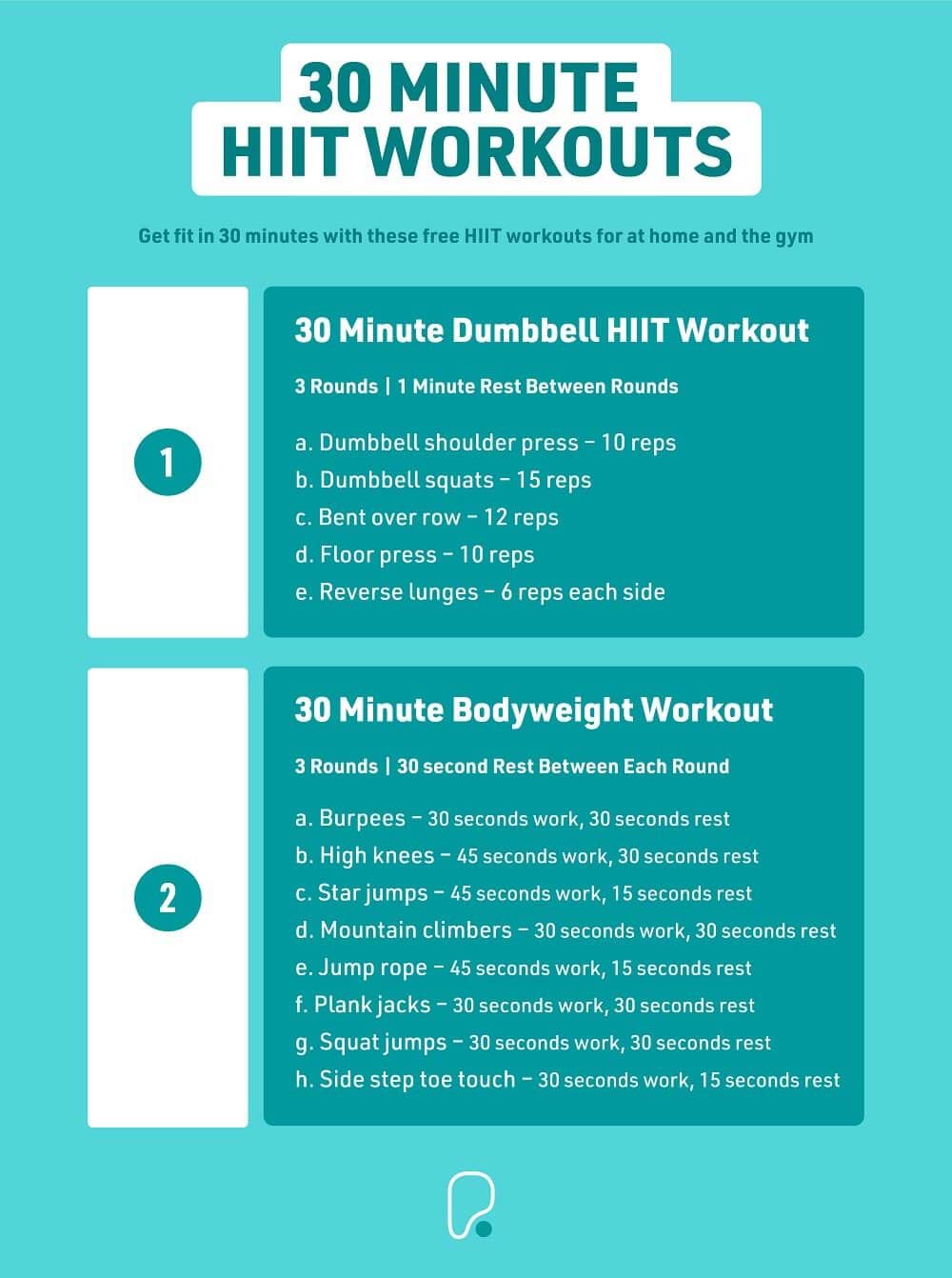
Credit: www.puregym.com
Frequently Asked Questions
Are 30-minute Home Workouts Effective?
Yes, 30-minute home workouts can be effective. They improve fitness, boost mood, and save time. Consistency and intensity are key for best results. Tailor workouts to your goals, whether strength, cardio, or flexibility. Use bodyweight exercises or minimal equipment for convenience.
Make every minute count for optimal benefits.
What Is The Most Effective 30-minute Workout?
A HIIT workout is highly effective in 30 minutes. It combines intense cardio and strength training, boosting metabolism and burning calories. Exercises like burpees, squats, and push-ups maximize results. Always tailor intensity to your fitness level for optimal benefits.
What Burns 500 Calories In 30 Minutes?
High-intensity interval training (HIIT) burns 500 calories in 30 minutes. Activities like running, cycling, or jump rope also achieve this. Consistency and intensity are crucial for effective calorie burning. Always consult a fitness professional before starting any rigorous exercise routine to ensure safety and effectiveness.
Will I Lose Weight Doing 30 Minutes Of Exercise A Day?
Yes, 30 minutes of exercise daily can help you lose weight. Combine it with a balanced diet for better results. Regular physical activity boosts metabolism, burns calories, and improves overall health. Consistency is key for achieving weight loss goals. Always consult a healthcare professional before starting a new exercise routine.
Conclusion
30-minute workouts at home offer convenience and flexibility. You save time commuting to the gym. Plus, these exercises boost energy. Keep your routine simple and effective. Mix cardio with strength training for best results. Listen to your body; rest when needed.
Progress at your own pace. Stay committed to regular sessions. Embrace this journey towards better health. It’s achievable without fancy equipment. Invite family to join you. Make fitness a fun activity. With dedication, you’ll notice improvements. Feel stronger. Feel healthier.
Enjoy the benefits of a consistent workout routine. Your home can be your fitness haven.